NAC Zambia nac.org.zm
Lusaka, Zambia | 13 October 2026
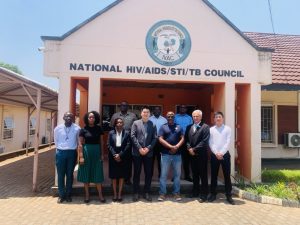
The National HIV/AIDS/STI/TB Council (NAC) received a courtesy call from InTec, a diagnostic test manufacturing company based in Xiamen, China, which presented its diagnostic testing portfolio and demonstrated a proposed combination rapid test for HIV, syphilis and hepatitis B.
 The proposed multiplex test is designed to screen for the three infections using a single cassette. If its performance and suitability for local use are established, the technology could offer opportunities to streamline screening, particularly in antenatal care and primary healthcare settings, by enabling multiple infections to be tested for during one visit.
During the meeting, InTec provided an overview of its manufacturing capacity, existing diagnostic products and product development pipeline. The company also outlined the potential application of multiplex testing in settings where timely screening and access to diagnostic services are important.
NAC representatives raised questions about the proposed test’s diagnostic accuracy, affordability, regulatory status, local validation and the availability of essential consumables. These considerations were identified as important in determining whether the product could be suitable for Zambia’s healthcare system.
InTec indicated that the proposed combination test had not yet received World Health Organization (WHO) prequalification at the time of the meeting. Further technical evidence, local validation and compliance with applicable national regulatory requirements will therefore be necessary before any decision on its suitability or potential adoption can be made.
The discussion also explored the potential benefits of multiplex testing in antenatal care, where screening for HIV, Syphilis and Hepatitis B can support the timely identification of infections and appropriate follow-up care. However, the actual benefits, affordability and operational implications of the proposed product would need to be assessed against existing testing options and service delivery requirements.
 NAC welcomed the engagement as an opportunity to explore diagnostic innovations that could contribute to strengthening Zambia’s multisectoral response to HIV and sexually transmitted infections. The meeting also highlighted the importance of evidence-based decision-making, quality assurance and collaboration among relevant stakeholders when considering new diagnostic technologies.
As the institution coordinating Zambia’s multisectoral HIV response, NAC continues to recognise the importance of exploring approaches that can improve access to testing while ensuring that diagnostic services meet appropriate standards of quality, reliability and affordability.
For NAC, diagnostic innovation must ultimately translate into reliable testing, informed decision-making and better access to quality health services for communities across Zambia.