NAC Zambia nac.org.zm
Strengthening Girls’ Rights: Zambia Reflects on Progress and the Path to Sustainability
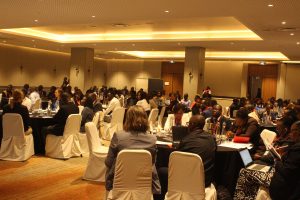
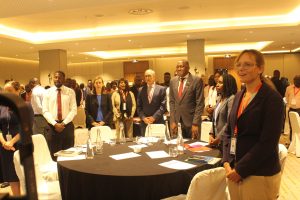
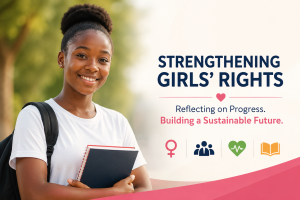 The National HIV/AIDS/STI/TB Council (NAC) has been joined by partners at the Strengthening Girls’ Rights (SGR II) Close-Out Meeting at the InterContinental Hotel in Lusaka to reflect on progress made in improving the health, rights and wellbeing of adolescent girls and young women.
The meeting provides an opportunity to share achievements under SGR II while looking ahead to the critical task of sustaining and building on the gains made during the project period.
One of the strongest reminders of the project’s impact comes from a young girl who shared: “If it wasn’t for the youth-friendly space, I would probably have been pregnant by now.” Her words capture the human impact behind the project’s results and demonstrate the importance of creating safe, accessible and youth-friendly spaces where young people can access information and support.
Under SGR II, more than 150,000 young people were reached with sexual and reproductive health and rights information. Teenage pregnancy in target schools declined from 3.4% at baseline to 1.9%, demonstrating encouraging progress in addressing unintended pregnancies among adolescents.
The project also strengthened community engagement and support for the rights of girls and young women. A total of 123 religious and traditional actors publicly supported these rights, helping to reinforce the role of communities in creating an enabling environment for adolescent health and wellbeing.
The J-IC methodology reached almost 100,000 people and has subsequently been integrated into curricula at the University of Zambia and Lusaka Apex Medical University, creating an opportunity for the approach to continue influencing future generations of health and other professionals.
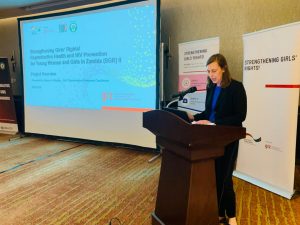
Speaking at the meeting, outgoing GIZ Head of Project Evelyn Maib-Chatré highlighted the importance of youth-friendly spaces and peer-led approaches. She emphasised that young people should not be viewed simply as beneficiaries, but as partners and agents of change.
Her message reinforces a central lesson from SGR II: sustainable progress is stronger when young people are meaningfully involved in designing and shaping solutions that affect their lives.
GIZ Country Director Axel Ulmer emphasised the importance of local ownership and strong institutions in sustaining development gains. He stressed that development cooperation should strengthen existing national systems rather than create parallel structures.
This focus on sustainability is particularly important as the project moves into its next phase. The true measure of development cooperation is not only what is achieved during implementation, but what remains and continues to deliver results after project financing ends.
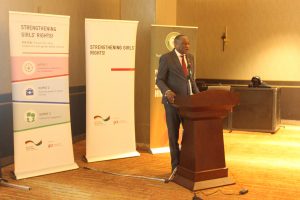
Guest of Honour Dr. Kennedy Lishimpi, Permanent Secretary–Technical Services at the Ministry of Health, reaffirmed Government’s commitment to adolescent health. He called for stronger combination prevention, expanded adolescent-friendly services, greater attention to rural and hard-to-reach communities, and increased inclusion of boys in adolescent health interventions.
He also highlighted the need to consider scaling up the SGR approach beyond its current nine districts, creating an opportunity to extend lessons and effective approaches to more communities.
The Germany–Zambia partnership will continue for another three years, providing an opportunity to build on the foundation established through SGR II. The next phase is therefore not about starting over, but about consolidating what works, strengthening institutional ownership and ensuring that young people remain at the centre of solutions.
The experience of SGR II demonstrates that strong partnerships, local ownership and meaningful youth participation are essential to achieving sustainable change.
As Zambia continues to advance its adolescent health and HIV prevention agenda, investing in young people remains an investment in the country’s future.