NAC Zambia nac.org.zm
As Zambia responds to the growing burden of sexually transmitted infections (STIs), the National HIV/AIDS/STI/TB Council (NAC), in collaboration with the Ministry of Health and with support from the World Health Organization (WHO), is strengthening social and behavioural change approaches aimed at adolescents and young people.
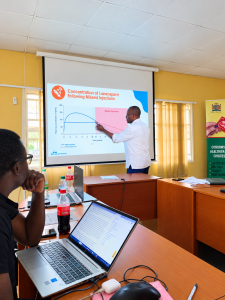
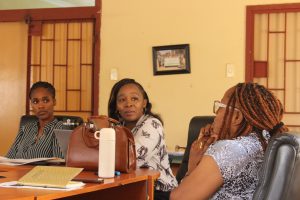
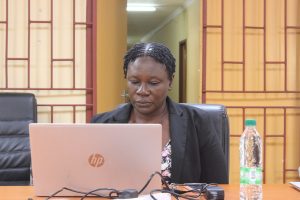
From 28 September to 2 October 2026, NAC is convening partners for a five-day Social and Behavioural Change Technical Working Group (SBC TWG) meeting at the NAC Boardroom in Lusaka. The meeting is focused on developing communication scripts on STIs and lenacapavir (LEN) that respond to the realities of adolescents and young people aged 15–24.
The meeting comes at a time when strengthening HIV and STI prevention communication among young people remains important. Participants are examining knowledge gaps, attitudes and social norms that influence how young people understand and respond to HIV and STIs, with the aim of developing messages that are clear, relevant, engaging and actionable.
The meeting is guided by a fundamental question: Are we speaking to young people or simply speaking about them?
Participants are exploring how HIV and STI messages can better connect with young people’s experiences and realities. The discussions recognise that simply making information available is not enough. Communication needs to be understandable, trusted and relevant to the people it seeks to reach.
The development of scripts on STIs and LEN is also taking place as Zambia expands HIV prevention choices. Lenacapavir (LEN) is a long-acting injectable HIV pre-exposure prophylaxis (PrEP) option, making clear and accessible communication important to help people understand available prevention choices and make informed decisions about their health.
The SBC TWG meeting is providing a platform for partners to collectively examine how communication can address misconceptions, respond to social realities and encourage informed health-seeking behaviour among young people.
For NAC, effective social and behavioural change goes beyond delivering information. It must connect with the audience, respond to their realities and create messages that young people can understand, trust and act upon.
Through collaboration with the Ministry of Health, WHO and other partners, NAC continues to strengthen communication approaches that contribute to Zambia’s broader HIV and STI prevention response.
When messages reflect the realities of the people they are intended for, communication becomes more than information, it becomes a pathway to informed action.