NAC Zambia nac.org.zm
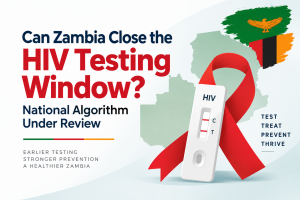
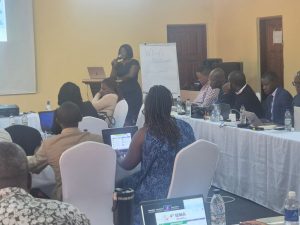
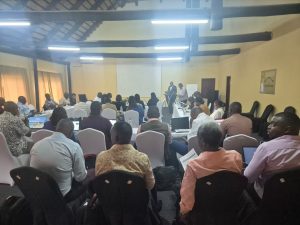
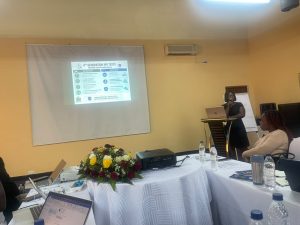
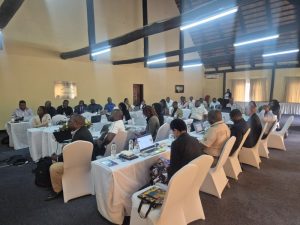
The Ministry of Health, in collaboration with the National HIV/AIDS/STI/TB Council (NAC) and with support from partners, has convened a meeting in Livingstone to review Zambia’s national HIV Testing Services (HTS) algorithm.
Speaking during the opening of the meeting, Mr. Muvwimi Mweemba, Assistant Director of Pathology and Laboratory Services, acknowledged Zambia’s progress in surpassing the UNAIDS 95-95-95 targets, noting that the country’s robust HIV Testing Services programme, anchored on rapid diagnostic testing, has contributed to this achievement.
He explained that Zambia’s current national HIV testing algorithm is primarily based on third-generation rapid diagnostic tests, which detect HIV antibodies.
While acknowledging that third-generation tests have served the country well, he noted that antibody only tests have a longer window period and may not detect acute HIV infections during the early stages of infection.
“This is a critical consideration as Zambia scales up HIV prevention interventions such as pre-exposure prophylaxis (PrEP),” he observed. Initiating PrEP during undiagnosed acute HIV infection can have implications for treatment and drug resistance, highlighting the importance of accurate and timely HIV diagnosis.
In line with the latest World Health Organization (WHO) guidance, which emphasizes the use of assays with strong performance for detecting early HIV infection, the meeting is exploring the potential inclusion of fourth-generation assays in the national testing algorithm.
Fourth-generation HIV tests detect both HIV antibodies and the p24 antigen. The p24 antigen can become detectable earlier than antibodies, potentially shortening the diagnostic window and enabling HIV infection to be identified earlier.
The meeting noted that incorporating fourth-generation testing could improve early HIV detection and case finding, thereby strengthening HIV prevention and treatment strategies.
However, the transition also presents important implementation considerations. Fourth-generation testing is costlier, may require additional laboratory capacity for confirmatory testing, and access to PCR testing remains limited in some districts.
The discussions in Livingstone are therefore expected to consider the most appropriate, feasible and sustainable testing approach for Zambia, one that can support the growing demand for HIV prevention services, including PrEP, while ensuring reliable HIV diagnosis across the general population.
As Zambia looks to strengthen HIV prevention and testing, one question is central to the discussion: How can we detect HIV earlier without compromising accessibility, affordability and quality of testing services?
The outcome of this review could have important implications for the future of HIV testing services in Zambia.